The future of nursing is here.
DNP Program
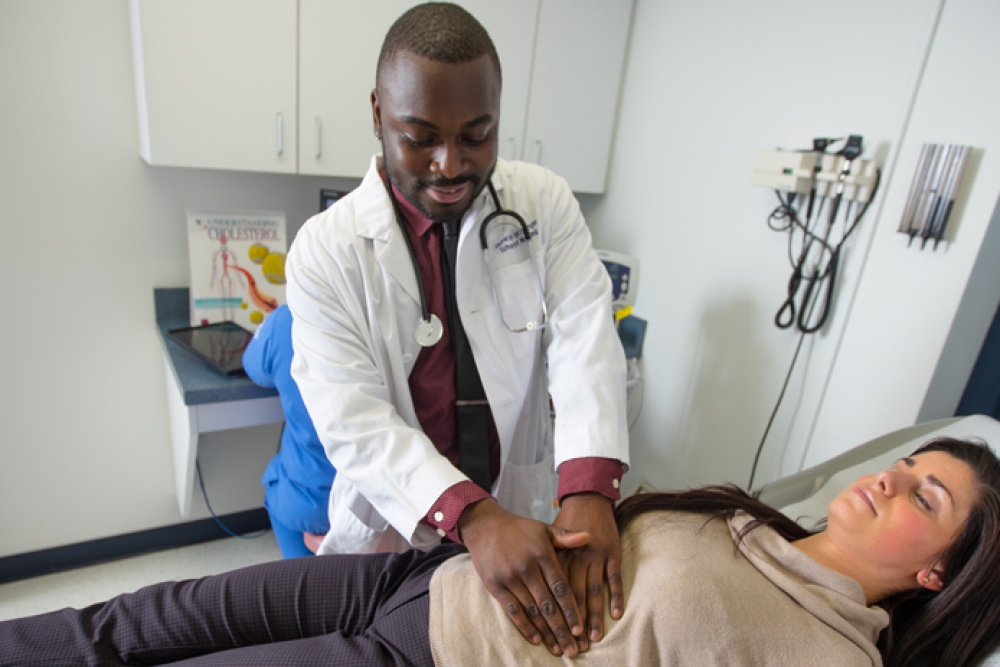
The Doctor of Nursing Practice (DNP) Program at the University at Buffalo educates students for an expanded comprehensive nurse practitioner role that includes critical thinking and independent decision making in clinical practice, leadership, education, policy and consultation. The CCNE accredited program prepares nurse practitioners to apply the latest evidence-based science to improve clinical practice outcomes.
Why pursue a DNP?


Doctor of Nursing Practice (DNP) Specialty Overview: Adult-Gerontology Primary Care Nurse Practitioner


A Doctor of Nursing Practice (DNP) program prepares students for a comprehensive nurse practitioner role that includes critical thinking and independent decision-making in clinical practice, leadership, education, policy and consultation.
An increasingly complex health care environment and a nationwide shortage of primary care providers mean that nurse practitioners – especially doctorate-prepared nurse practitioners – are in high demand. DNPs have an important role in patient and professional advocacy, and are vital for improving community health and patient outcomes
The many DNP specialties empower nurses to help populations and solve problems they are passionate about. One of those specialties is the Adult-Gerontology Primary Care Nurse Practitioner (AGNP). Adult-Gerontology Primary Care Nurse Practitioners assess, diagnose and manage all adults, from young adults to seniors. They focus on primary care, which emphasizes a patient's ongoing health needs and wellness, and in acute care, treating chronic conditions or injuries.
Patient Populations
AGNPs can treat patients from early adulthood to old age. AGNPs do not treat obstetrics and gynecology or pediatric patients.
Practice Settings
AGNPs can work in primary care practices, specialty practices, clinics, telemedicine and long-term care facilities. AGNPs can also work in acute care settings such as hospitals and urgent care. In the AGNP program here at UB School of Nursing, half of the specialty courses cover primary care topics. The other half addresses acutely ill patients.
NYS Required Certification
AGNPs are required to graduate from an accredited nurse practitioner program. In order to practice as a nurse practitioner in New York State, they must be certified and registered as a nurse practitioner by the New York State Education Department. AGNPs must also maintain licensure as registered nurses.
Autonomy in NYS
AGNPs have full practice authority.
A Common Misconception about AGNPs
A common misconception is that AGNPs only work with elderly patients. Gerontology does not exclusively mean chronically sick elderly people in nursing homes. The aging population is growing in numbers and being able to care for people as they age is a specialty of its own. AGNPs treat patients from early adulthood to the elderly, and everyone in between.
Interested in becoming a doctorate-prepared adult-gerontology nurse practitioner?
Our Post-BS to DNP Program AGNP specialty develops advanced practice nurses who can deliver compassionate primary care to all adults, from young adults to seniors. At the conclusion of our program, students are eligible to take the Adult-Gerontology Primary Care Nurse Practitioner board certification exam. Visit our Post-BS to DNP program page to learn more about our program.
Published December 5, 2022
Questions?
Contact: Kyle Cortley, Associate Director of Recruitment & Enrollment, at kylecort@buffalo.edu.
Notice of Non-Discrimination
The University at Buffalo is committed to ensuring equal access to its programs and activities. View UB's Notice of Non-Discrimination here.


