The future of nursing is here.
DNP Program
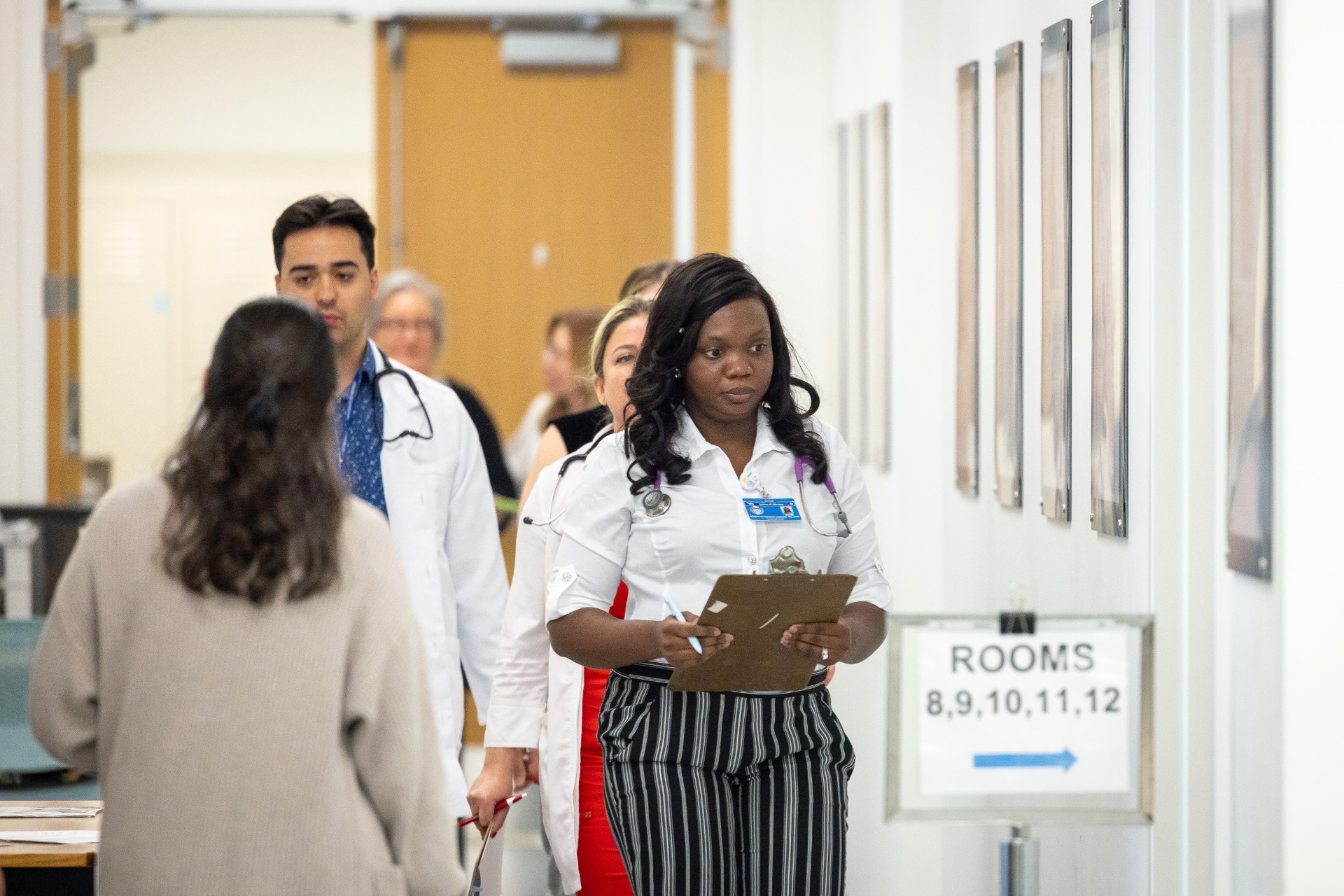
DNP students enjoy individualized training experiences in a supportive environment.
The DNP Program at the University at Buffalo School of Nursing equips baccalaureate-prepared nurses to pursue a Doctor of Nursing Practice degree in a three- to seven-year program in the following specialty areas: family, adult-gerontology, psychiatric/mental health, anesthesia and midwifery.
On this page:
Program Quick Facts
Start Term
- Adult/Gerontology, Family and Psych/Mental Health: Summer or Fall
- Anesthesia: Summer
- Midwifery: Spring
Format
Hybrid
Time to Completion
4-5 years
Tuition*
$1,047 per credit hours
Application Dates
- AGNP, FNP & PMHNP: TBA
- CRNA: July 1, 2026–Aug. 14, 2026
- Midwifery: Aug. 1, 2026–Jan. 4, 2027
*Estimated tuition is based on the resident rate and does not include fees.
Specialty Areas
What Adult-Gerontology Primary Care Nurse Practitioners Do
Adult-gerontology primary care nurse practitioners provide comprehensive, evidence-based care for adults across the lifespan, from young adulthood through older age. Their practice focuses on primary care, emphasizing ongoing health needs, disease prevention and wellness, while also managing acute conditions and complex chronic diseases.
AGPCNPs assess, diagnose and treat a wide range of health conditions. They perform physical exams, order and interpret diagnostic tests, prescribe medications and develop treatment plans grounded in clinical evidence. Their expertise is particularly important in caring for older adults and individuals with multiple comorbidities, supporting functional health, independence and quality of life.
AGPCNPs do not provide care for pediatric or obstetric populations. Instead, they develop deep clinical expertise in adult and aging populations, often building long-term relationships with patients and serving as a consistent provider within the health care system. They work both independently and collaboratively, coordinating care across specialties to meet complex patient needs.
Patient Populations
- Young adults and adults across the lifespan
- Older adults, including those with complex or multiple chronic conditions
- Individuals managing acute illness or injury
- Patients seeking preventive care, screenings and wellness services
- Individuals requiring long-term management of chronic disease
- Underserved and aging populations with limited access to care
Practice Settings
Adult-gerontology primary care nurse practitioners practice in a variety of settings, including hospitals and urgent care environments, as well as primary care and specialty practices, outpatient clinics, telehealth, long-term care facilities and community health organizations.
Employment Outlook
What Family Nurse Practitioners Do
Family nurse practitioners provide comprehensive, evidence-based primary care across the lifespan, caring for individuals and families from infancy through older adulthood. They assess, diagnose and manage acute and chronic conditions, while also focusing on health promotion, disease prevention and care coordination.
FNPs perform physical exams, order and interpret diagnostic tests, prescribe medications and develop treatment plans grounded in clinical evidence. Their broad preparation allows them to practice in primary care settings or pursue roles in specialty areas aligned with their training and interests.
They build long-term relationships with patients and families, often serving as a consistent point of contact within the health care system. Working both independently and collaboratively, FNPs contribute clinical expertise that supports better outcomes across diverse populations.
Patient Populations
- Infants, children and adolescents
- Adults and older adults
- Individuals managing acute illness or injury
- Patients with chronic conditions such as diabetes, hypertension or asthma
- Families seeking preventive care, screenings and immunizations
- Underserved and rural populations with limited access to primary care
Practice Settings
Family nurse practitioners practice across a wide range of health care environments. Common settings include hospitals, primary care offices, community clinics, urgent care centers, schools and colleges, public health organizations, and long-term care facilities such as nursing homes.
Employment Outlook
What Nurse-Midwives Do
Certified nurse-midwives provide independent, evidence-based care across the lifespan. Their clinical expertise includes managing pregnancy, childbirth and postpartum care; delivering primary and preventive care; and addressing reproductive and sexual health needs. CNMs also support informed decision-making, offer personalized education, and collaborate with other health professionals when needed.
Patient Populations
- Teens and adults seeking primary or reproductive health care
- Individuals planning pregnancy or using birth control
- Pregnant people during prenatal care, labor, birth and recovery
- Healthy newborns in the first month of life
- Adults seeking STI testing, menopause support or routine wellness exams
- People of all gender identities and sexual orientations, with inclusive, affirming care
Practice Settings
Certified nurse-midwives practice in a range of settings, including hospitals, birth centers, outpatient clinics and physician or midwifery practices. They also provide care in community health centers, public health settings and home birth environments, depending on patient needs and state regulations.
Employment Outlook*
The Nurse Anesthesia DNP program equips CRNAs to assume clinical, educational, research and leadership positions within this advanced nursing specialty. Our Patient Simulation Center, which includes an operating room with advanced monitoring and gas-delivery systems, employs advanced technology to support the surgical and resuscitative care of a full-body, computerized mannequin.
Program courses, taught exclusively by nurse specialists and CRNAs, are immediately applicable to nursing practice. The school's health assessment lab, Center for Nursing Research and Patient Simulation Center further support student research and practice needs.
UB Nurse Anesthetist Program Overview
Learn about what time in our CRNA program looks like for students, including clinicals. The presentation includes a roundtable discussion with three current students.
What Psychiatric/Mental Health Nurse Practitioners Do
Psychiatric mental health nurse practitioners (PMHNP) provide primary mental health care across the lifespan. This includes promoting optimal mental health through assessment, prevention, treatment and ongoing health maintenance for psychiatric, mental health and substance use disorders.
PMHNPs assess, diagnose and manage psychiatric, neurocognitive and behavioral conditions using evidence-based approaches. They conduct psychiatric evaluations, prescribe and manage medications, and provide psychotherapy. Their work integrates biological, psychological and social factors to support comprehensive, patient-centered care.
In addition to direct care, PMHNPs may provide psychiatric consultation within medical settings, contributing expertise to interprofessional teams. Depending on state regulations, they may also practice independently and establish their own clinical practices.
Patient Populations
- Children, adolescents and adults experiencing mental health conditions
- Individuals with substance use disorders
- Patients with co-occurring mental and physical health conditions
- Individuals experiencing acute psychiatric symptoms or crisis
- Families seeking education, support and care coordination
- Underserved and rural populations with limited access to mental health service
Practice Settings
Psychiatric mental health nurse practitioners practice across a wide range of settings, including inpatient hospital units, emergency psychiatric services, outpatient clinics and primary care settings. They also work in community-based and non-traditional environments such as home health, crisis outreach, assertive community treatment programs, schools, residential facilities and telehealth.
Employment Outlook
Curriculum
Adult-Gerontology Primary Care Nurse Practitioner (Total Credits: 84)
Family Nurse Practitioner (Total Credits: 97)
Midwifery (Total Credits: 80)
Email nursing@buffalo.edu for more information.
Nurse Anesthetist (Total Credits: 124)
Psychiatric Mental Health Nurse Practitioner (Total Credits: 94)
Additional Information
Questions?
Contact: Kyle Cortley, Associate Director of Recruitment & Enrollment, at kylecort@buffalo.edu.
Notice of Non-Discrimination
The University at Buffalo is committed to ensuring equal access to its programs and activities. View UB's Notice of Non-Discrimination here.


