The future of nursing is here.
DNP Program
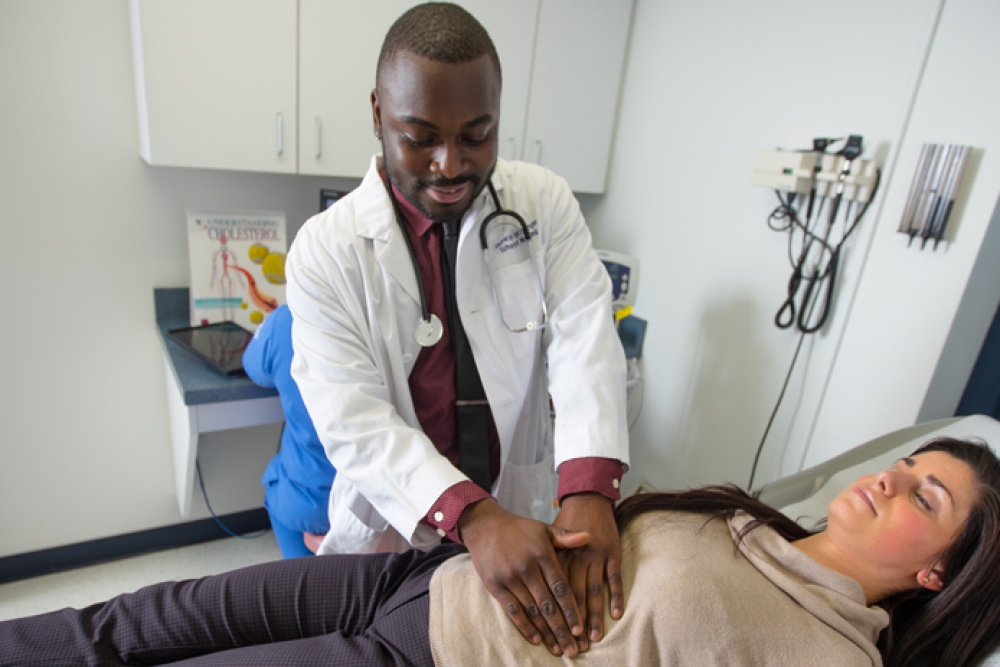
The Doctor of Nursing Practice (DNP) Program at the University at Buffalo educates students for an expanded comprehensive nurse practitioner role that includes critical thinking and independent decision making in clinical practice, leadership, education, policy and consultation. The CCNE accredited program prepares nurse practitioners to apply the latest evidence-based science to improve clinical practice outcomes.
Why pursue a DNP?


Doctor of Nursing Practice Specialty Overview: Psychiatric/Mental Health Nurse Practitioner


A Doctor of Nursing Practice (DNP) program prepares students for a comprehensive nurse practitioner role that includes critical thinking and independent decision-making in clinical practice, leadership, education, policy and consultation.
The many DNP specialties empower nurses to help populations and solve problems they are passionate about. One of those specialties is the Psychiatric/Mental Health Nurse Practitioner (PMHNP). PMHNPs provide primary mental health care services across the lifespan. Primary mental health care includes the promotion of optimal mental health through assessment, prevention, treatment and health maintenance in relation to psychiatric, mental health and addictions disorders.
Patient Populations
PMHNPs treat individuals with psychiatric, neurocognitive and behavioral disorders across the lifespan.
Practice Settings
Patients are treated in hospital settings (inpatient), emergency psychiatric settings, outpatient clinics, non-traditional venues (home health, crisis outreach and assertive community treatment), schools and residential areas. PMHNPs can also provide psychiatric consultation on medical services, open an independent practice and provide psychotherapy.
NYS Required Certification
Before becoming a PMHNP, one must first become a registered nurse. Graduates may then continue to specialize in mental health by choosing an advanced program of study. It's encouraged to become board certified by the ANCC in Psychiatry (PMHNP-BC).
Autonomy in NYS
Nurse practitioners are required to obtain 3,600 hours of practice with a collaborating physician before becoming independent. The novice practitioner still has a great deal of autonomy, as the collaborating physician serves as a mentor during those first few years of practice. PMHNPs can establish their own psychiatric mental health practice or join other providers in an existing practice.
A Common Misconception about PMHNPs
PMHNPs are well-versed in the physiology of the brain and behavior. While we are specialists in mental and behavioral health, PMHNPs need to take the entire human body into account when developing the treatment plan. A psychotropic medication could potentially alter one’s cardiac rhythm, so we need to be competent in ordering EKGs and know what to look for before prescribing this particular medication. The brain and the body are integrated, so it’s critical to train in a holistic approach that includes all body systems. There is increasing literature on trauma and the nervous system and how so many psychiatric disorders affect the entire body.
A Common Misconception about NPs
A common misconception about nurse practitioners is that they do not have the same responsibilities as medical doctors. In 28 states and Washington D.C., nurse practitioners have full practice authority. This means that they can evaluate patients, order and interpret diagnostic tests, create and manage treatment plans, and prescribe medications without physician oversight.
Interested in becoming a doctorate-prepared psychiatric/mental health nurse practitioner?
Our Post-BS to DNP Program PMHNP specialty develops advanced practice nurses who can deliver compassionate primary care to all adults, from young adults to seniors. Visit our Post-BS to DNP program page to learn more.
Published March 1, 2023
Questions?
Contact: Kyle Cortley, Associate Director of Recruitment & Enrollment, at kylecort@buffalo.edu.
Notice of Non-Discrimination
The University at Buffalo is committed to ensuring equal access to its programs and activities. View UB's Notice of Non-Discrimination here.


